Mold remediation is the process of containing, removing, and preventing the growth of mold in a building. It’s a specialized service offered by Mike’s Damage Control ER; because it requires specific training, equipment, and protocols to be done safely and effectively.
Here’s a breakdown of what mold remediation entails:
What is Mold?
Mold is a type of fungus that grows in damp, humid environments. It reproduces by releasing spores into the air. While mold exists naturally everywhere, its unchecked growth indoors can lead to:
- Property Damage: Degrades building materials (drywall, wood, insulation), causing structural weakness and costly repairs.
- Health Issues: Produces allergens, irritants, and sometimes mycotoxins that can trigger respiratory problems, allergic reactions, skin irritation, and other health concerns in susceptible individuals.
- Unpleasant Odors: Often creates a musty, earthy smell.
When is Mold Remediation Needed?
Mold remediation is necessary when:
- Visible Mold Growth: You see mold on walls, ceilings, floors, or personal belongings.
- Moldy Odor: You detect a persistent musty smell, even if mold isn’t visible.
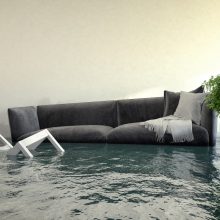
- After Water Damage: If water damage (e.g., flood, leak) was not dried completely within 24-48 hours, mold growth is highly likely.
- Health Symptoms: Occupants experience unexplained allergic reactions or respiratory issues that subside when away from the property.
The Mold Remediation Process (Typical Steps):
- Inspection and Assessment:
- Identify Source: Locating the source of moisture that is fueling the mold growth (e.g., leaky pipes, roof leaks, condensation issues, poor ventilation). This is crucial, as mold will return if the moisture source isn’t fixed.
- Assess Extent: Determining how far the mold has spread, which materials are affected, and the type of mold (though identification of mold species is often secondary to proper removal and moisture control).
- Air Quality Testing (Optional/As Needed): In some cases, air samples are taken to measure airborne mold spore counts, especially if mold is suspected but not visible, or to confirm successful remediation.
- Containment:
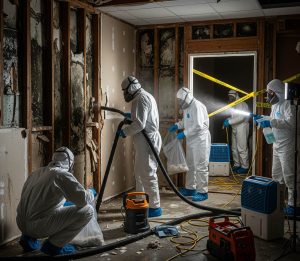
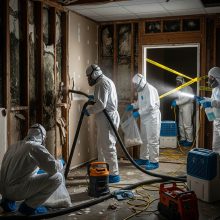
- Prevent Spread: The affected area is sealed off using plastic sheeting, negative air pressure machines (which create a vacuum to prevent spores from escaping), and HEPA air scrubbers. This prevents airborne mold spores from contaminating unaffected parts of the building during the remediation process.
- HVAC Systems: HVAC systems are often shut down or isolated to prevent the spread of spores.
- Air Filtration:
- HEPA Air Scrubbers: High-Efficiency Particulate Air (HEPA) filters are used to capture airborne mold spores and other contaminants, cleaning the air within the contained area.
- Removal of Contaminated Materials:
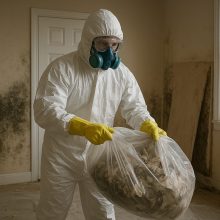
- Porous Materials: Highly porous materials like drywall, insulation, carpet, and upholstered furniture that are significantly molded are often unsalvageable and must be safely removed and disposed of according to local regulations.
- Non-Porous Materials: Hard, non-porous surfaces (e.g., tile, metal, glass, some plastics) can often be cleaned and disinfected.
- Cleaning and Disinfection:
- HEPA Vacuuming: Surfaces are thoroughly vacuumed with HEPA vacuums to remove loose mold spores.
- Antimicrobial Treatments: Affected surfaces are cleaned with antimicrobial solutions to kill remaining mold and prevent future growth.
- Scrubbing: Surfaces are scrubbed to remove stubborn mold stains.
- Drying:
- Moisture Removal: After cleaning, the affected area must be thoroughly dried using professional-grade dehumidifiers and air movers to prevent new mold growth.
- Moisture Readings: Technicians use moisture meters to ensure all materials are dried to acceptable levels.
Why Use a Professional Restoration Company for Mold?
- Safety: We have the necessary PPE (personal protective equipment) and follow protocols to protect our workers and occupants from exposure to mold.
- Effectiveness: We understand how mold grows and spreads, ensuring the source is addressed and all contaminated areas are properly treated.
- Specialized Equipment: We use industrial-grade dehumidifiers, air scrubbers, HEPA vacuums, and specialized cleaning agents not available to the general public.
- Containment: We prevent cross-contamination, stopping mold from spreading to unaffected parts of your property.
- Experience: We are trained to handle various mold scenarios and comply with industry standards.
Ignoring mold can lead to escalating property damage and health concerns, making professional mold remediation a vital service for affected properties.