Fire and smoke damage are complex and require specialized restoration techniques due to the varying types of soot, corrosive residues, and persistent odors they leave behind. Mike’s Damage Control ER handles a range of these damages, from minor localized incidents to extensive structural devastation.
Here’s a breakdown of the types of fire and smoke damage and the associated restoration efforts:
I. Types of Smoke Damage (Based on Material Burned & Fire Characteristics):
The type of smoke and soot residue greatly influences the cleaning and restoration methods.
- Dry Smoke Damage:
- Origin: High-temperature, fast-burning fires (e.g., paper, wood, natural materials).
- Characteristics: Leaves a fine, powdery, non-smeary ash. While seemingly easy to clean, its fine particles can penetrate deep into porous materials and travel extensively through HVAC systems, making odor removal challenging.
- Restoration: Requires dry cleaning methods first (e.g., HEPA vacuuming, dry chemical sponges) to remove loose soot. Followed by specialized cleaning solutions, air filtration (air scrubbers), and deodorization techniques like ozone or hydroxyl generators to address embedded odors.
- Wet Smoke Damage:
- Origin: Low-temperature, smoldering fires with incomplete combustion (e.g., plastics, rubber, synthetics).
- Characteristics: Produces a thick, sticky, greasy, and pungent residue that smears easily. It’s highly corrosive and difficult to clean, often leaving strong, persistent odors. Can etch and pit metal surfaces rapidly.
- Restoration: Requires aggressive cleaning agents, degreasers, and specialized solvents. Wet cleaning methods are often necessary, but care must be taken to avoid spreading the sticky residue. Thermal fogging and other advanced deodorization techniques are crucial.
- Protein Smoke Damage:
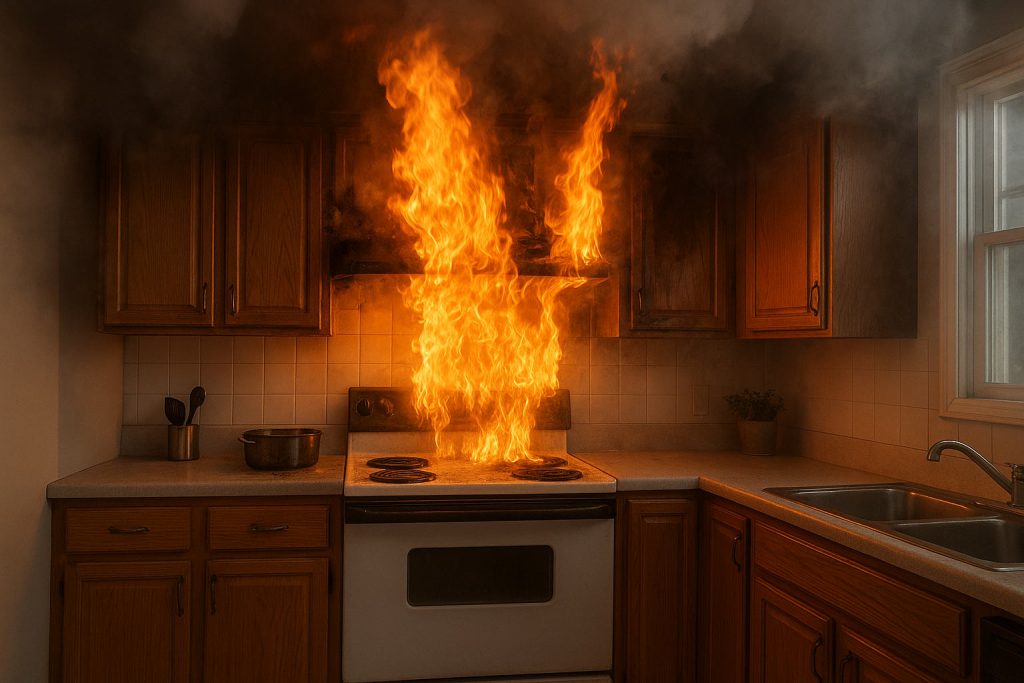
- Origin: Kitchen fires involving organic matter (e.g., cooking oils, meats, proteins).
- Characteristics: May not leave a heavy visible residue, but creates an invisible, greasy film with an extremely strong, pervasive, and unpleasant odor. Can discolor paints and varnishes.
- Restoration: Extremely challenging due to the odor’s tenacity. Requires enzyme-based cleaners and degreasers to break down the odor-causing molecules. Detailed cleaning of all surfaces (even seemingly unaffected ones) is essential. Ozone or hydroxyl treatments are heavily utilized. Sometimes, surfaces need to be sealed to encapsulate remaining odors.
- Fuel/Oil Smoke Damage:
- Origin: Fires involving petroleum products, oil-fired furnaces, or other fuels. Less common in residential settings, more in garages or industrial spaces.
- Characteristics: Leaves a dense, oily, and highly persistent residue. The odor is often overwhelming and difficult to remove from porous materials like fabrics.
- Restoration: Requires industrial-strength degreasers and solvents. Often, textiles and upholstered items affected by this type of smoke may be unsalvageable and require replacement.
II. Types of Fire Damage (Beyond Smoke):
- Direct Flame/Charring Damage:
- Description: Direct exposure to flames results in burning, charring, and consumption of materials.
- Restoration: Materials that are heavily charred and structurally compromised must be removed and replaced. For superficial charring on structural elements (like wood beams), the charred layer might be removed (e.g., by soda blasting or abrasive cleaning) if the underlying material is structurally sound.
- Heat Damage:
- Description: Intense heat, even without direct flames, can warp, melt, crack, or weaken various materials (e.g., plastics, metals, glass, drywall, wood).
- Restoration: Replacement of warped or cracked materials. Assessment of structural integrity is crucial, as heat can compromise load-bearing elements.
- Soot & Ash Fallout:
- Description: The particulate matter resulting from incomplete combustion settles on surfaces. It’s often acidic and can cause etching, pitting, and permanent discoloration if not cleaned promptly.
- Restoration: Varies depending on the type of smoke (as above), but involves specialized cleaning agents and techniques to safely remove the acidic residue without causing further damage.
- Water Damage (Secondary Damage):
- Description: Water used by firefighters to extinguish the blaze often causes significant water damage, leading to saturated materials, potential for mold growth, and rust/corrosion of metals.
- Restoration: This is a crucial initial step. Involves water extraction, drying, dehumidification, and often anti-microbial treatments to prevent mold. (As detailed in the previous response on water damage).
- Electrical Damage:
- Description: Fires often originate from or affect electrical systems, leading to damaged wiring, outlets, and appliances.
- Restoration: Requires assessment and repair/replacement by qualified electricians to ensure safety and code compliance. Power usually needs to be shut off during initial stages.
- Odor Penetration:
- Description: The pervasive smell of smoke that permeates every porous material and surface, even after visible soot is removed. It’s arguably the most challenging aspect of fire restoration.
- Restoration: Requires specialized deodorization techniques (ozone, hydroxyl, thermal fogging, sealing, air filtration) and thorough cleaning of all affected items, including HVAC systems, contents, and structural elements.
III. General Fire & Smoke Damage Restoration Process:
Mike’s Damage Control ER will typically follow these steps:
- Emergency Response & Board-Up: Securing the property, boarding up windows/doors, tarping damaged roofs to prevent further damage from elements or vandalism.
- Damage Assessment: Thorough inspection to identify the source of the fire, type of smoke, extent of structural damage, water damage, and affected contents. Testing for hazardous materials (asbestos, lead).
- Water Removal & Drying (if applicable): Extracting water from firefighting efforts and implementing professional drying to prevent mold.
- Hazardous Material Remediation: Safe identification, containment, and removal of any hazardous substances uncovered or activated by the fire.
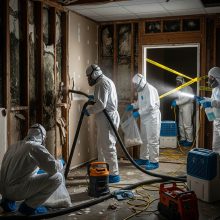
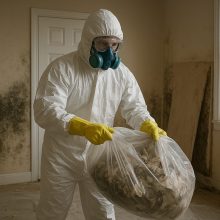
- Debris Removal: Safely removing all unsalvageable contents and charred structural materials.
- Soot & Smoke Removal: Specialized cleaning of all surfaces (walls, ceilings, floors, fixtures, contents) using appropriate methods for the specific smoke type.
- Deodorization: Comprehensive odor removal treatments using advanced equipment and techniques. Cleaning HVAC systems is critical here.
- Content Restoration: Cleaning, deodorizing, and restoring salvageable personal belongings, often off-site.
- Structural Repair & Reconstruction: Repairing or rebuilding compromised structural elements (framing, drywall, flooring, roofing) to restore the property to its pre-loss condition.