At Mike’s Damage Control ER we deal with a wide range of water damage situations, often classified by the category of water (based on contamination) and the class of water loss (based on the amount of water and affected materials). Understanding these classifications is crucial for proper and safe remediation.
Here are the main types of floods and water damage Mike’s Damage Control ER deals with:
Categories of Water Damage (Contamination Level):
These are defined by the Institute of Inspection, Cleaning and Restoration Certification (IICRC) and determine the safety precautions and cleaning protocols required.
- Category 1: Clean Water
- Source: Originates from a sanitary source and poses no substantial health risk to humans.
- Examples: Burst water supply lines, overflowing bathtubs or sinks (without contaminants), melting ice or snow (entering through a clean roof leak), leaking toilet tanks, malfunctioning appliances (like dishwashers or washing machines) before the water mixes with detergents/soil.
- Note: While initially clean, if left untreated, Category 1 water can degrade to Category 2 or 3 within 24-48 hours as it interacts with building materials and environmental contaminants.
- Category 2: Grey Water
- Source: Contains a significant level of biological, chemical, or physical contaminants. It has the potential to cause discomfort or sickness if consumed or exposed to humans.
- Examples: Overflow from washing machines or dishwashers (with soap/food particles), toilet overflows with urine (but no solid waste), sump pump failures, broken aquariums, waterbed leaks, or even Category 1 water that has been left for an extended period.
- Risks: Often contains microorganisms and nutrients for microbial growth. Requires more extensive cleaning and disinfection than Category 1.
- Category 3: Black Water
- Source: Grossly contaminated water that contains pathogenic agents and is unsanitary. It can cause severe illness or death if consumed or exposed to humans.
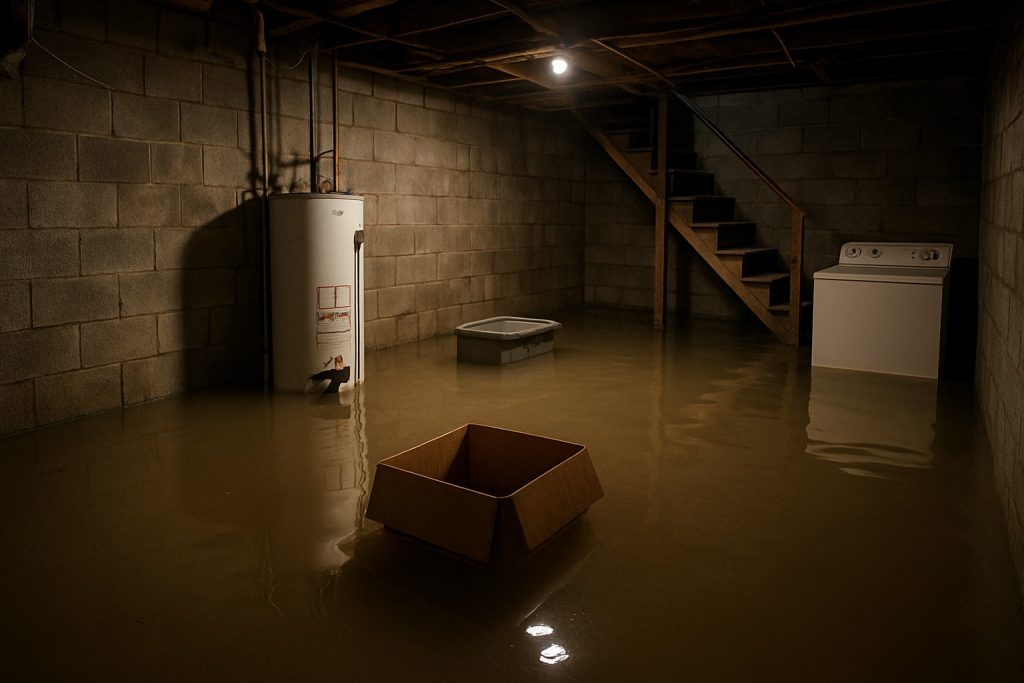
- Examples: Sewage backups, floodwaters from rivers or streams (ground surface water), rising groundwater, or even Category 2 water that has been left untreated for a significant period and has begun to support microbial growth.
- Risks: Highly hazardous. May contain pesticides, heavy metals, toxic substances, bacteria, viruses, and fungi. All porous materials affected by Category 3 water are typically non-salvageable and must be removed and properly disposed of. Extensive personal protective equipment (PPE) and rigorous decontamination are mandatory.
Classes of Water Loss (Severity/Evaporation Rate):
These describe the amount of water and the projected rate of evaporation, which helps determine the scope of drying needed.
- Class 1: Slow Evaporation Rate
- Characteristics: Only a small portion of an area or room is affected. Little or no wet carpet/cushion. Moisture absorbed by low-permeance materials like concrete or tile.
- Drying: Relatively easy to dry, often with minimal equipment.
- Class 2: Fast Evaporation Rate
- Characteristics: Entire room affected, including carpet and cushion. Water may have wicked up walls. Moisture in structural materials (wood, drywall).
- Drying: Requires more robust drying equipment, including air movers and dehumidifiers.
- Class 3: Fastest Evaporation Rate
- Characteristics: Water has often come from overhead (e.g., burst pipe in ceiling). Ceilings, walls, insulation, carpet, and subfloor are saturated.
- Drying: Requires intensive drying efforts with powerful equipment, often involving controlled demolition to allow for proper drying within wall cavities and structural elements.
- Class 4: Specialty Drying Situations
- Characteristics: Deep pockets of saturation in low-permeance or porous materials that retain water, such as hardwood, plaster, brick, stone, concrete, or inside wall cavities/crawlspaces that are difficult to access.
- Drying: Requires specialized drying methods, specific humidity levels, and often longer drying times, potentially involving non-invasive drying techniques like desiccant dehumidifiers or injecting dry air into specific areas.
Mike’s Damage Control ER will assess both the category (contamination) and class (severity) of water damage to develop the most effective, safe, and efficient restoration plan for your property.